Control EV Charging Infrastructure Without Lock-In
EV Cloud gives operators one stable OCPP gateway for mixed fleets, OCPI connectivity for roaming workflows, multi-backend routing, and real-time operational visibility. Keep the systems that work, replace the ones that do not, and migrate without a big-bang cutover.
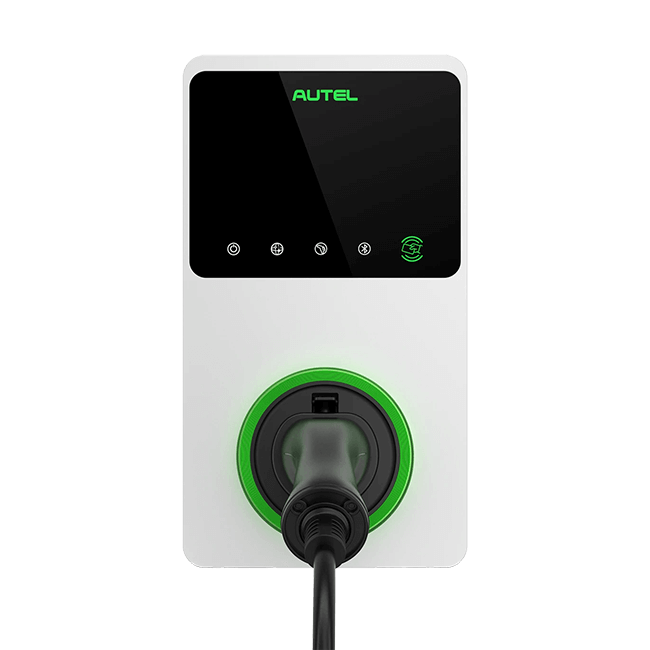
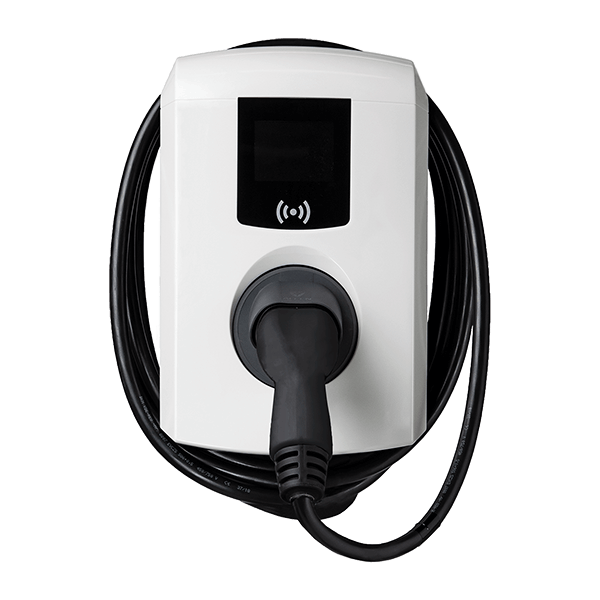
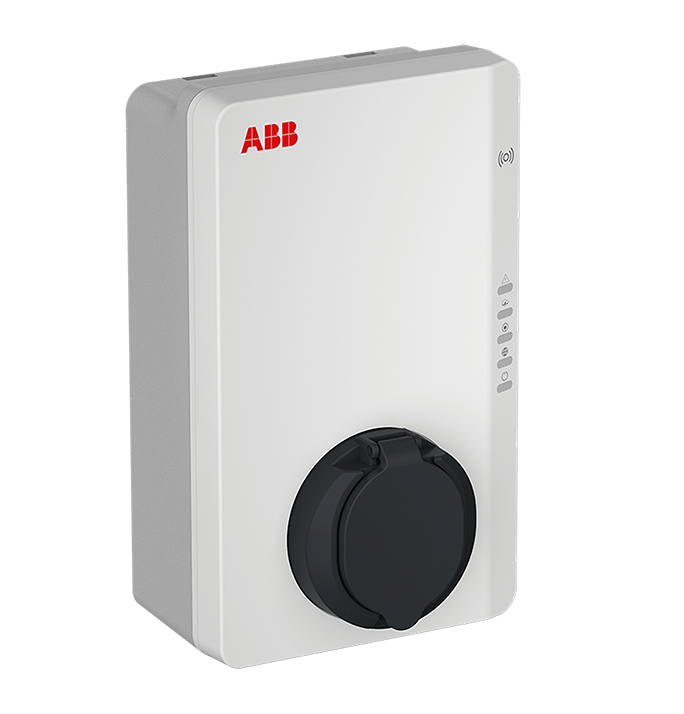
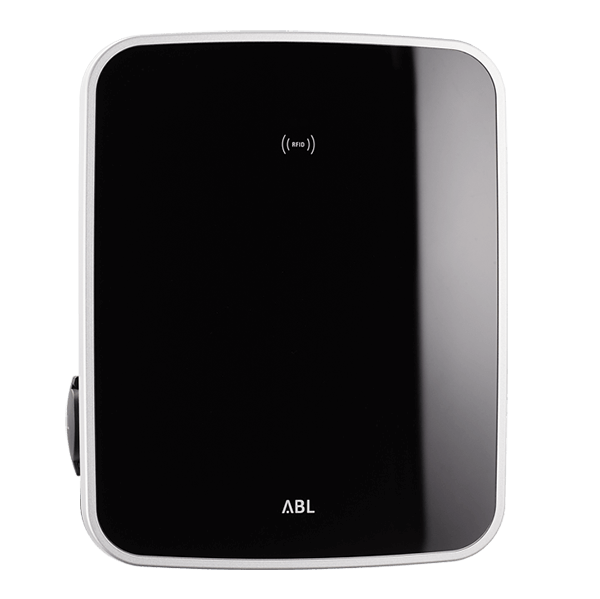
Works with every charger brand
One infrastructure layer for charger control, roaming, and migration.
Use EV Cloud between chargers, roaming partners, and internal systems so you can launch new workflows without replacing everything at once.
Connect
One OCPP entry point for mixed charger fleets. Normalize 1.6 and 2.0.1 traffic, isolate charger quirks, and avoid reconfiguring hardware every time backend strategy changes.
Interoperate
Connect roaming, tokens, sessions, tariffs, and CDR workflows without bolting partner logic into your core product. Launch bilateral and hub-based integrations with clearer operational boundaries.
Control
Run multiple backends in parallel, preserve your data, and route traffic by site, partner, or rollout phase. Use the platform as a migration layer, resilience layer, or long-term control plane.
A neutral OCPP and OCPI control layer for operators.
Use EV Cloud between chargers, roaming networks, and internal systems. It is built for mixed fleets, phased migration, and real operational ownership.
What the platform actually gives you
The product is not another dashboard first. It is a control layer that absorbs protocol complexity, normalizes charger behavior, and gives operations teams safer rollout paths.
Mixed-fleet OCPP gateway
Handle OCPP 1.6 and 2.0.1 charger fleets through one entry point, with protocol normalization and a cleaner place to absorb charger-specific differences.
Roaming and backend interoperability
Connect downstream systems with clearer protocol boundaries, so roaming, monitoring, and migration logic do not have to live inside one brittle application surface.
Run more than one backend without touching the field
Route chargers by site, partner, or migration phase while the charger-facing layer stays stable. That is how operators reduce rollout risk when backend strategy changes.
Keep the fleet stable while the software stack changes
EV Cloud sits between chargers and downstream systems so you can run a legacy CPMS, a new CPMS, and roaming or payment endpoints in parallel. That matters when the real rollout risk lives in the field, not in the application layer.
Parallel sync across current and future systems
Send a live copy of charger traffic to your operational stack while other endpoints handle roaming, payment, or migration testing. This gives teams visibility before they commit to a cutover.
Routing by site, partner, or rollout phase
Decide which chargers go to which backend, and change that policy without touching every charger in the field. This is the practical path to safer migrations and more resilient operations.
Operational visibility across every charger and partner.
See charger state, sessions, meter values, and routing status across roaming and internal systems. The goal is fewer blind spots during launch, incident response, and migration.
Cross-network session visibility
See what is happening across chargers, roaming connections, and internal systems from one operational layer instead of stitching together answers after an incident starts.
Fallback and routing control
Build safer downstream routing and redundancy into the architecture so one disconnected partner or backend does not automatically become a fleet-wide outage.
Deploy in phases, not in a big-bang cutover
Point chargers to EV Cloud, connect downstream systems, and decide which traffic goes where. The field layer stays stable while your backend model evolves.
1. Move chargers to one stable OCPP endpoint
Point chargers to EV Cloud instead of tying them directly to one downstream backend. That creates a controlled field layer before you change roaming, monitoring, or CPMS strategy.
2. Connect roaming, payment, or backend destinations
Attach Hubject, Gireve, OCPI partners, or internal platforms behind the gateway layer. This separates charger connectivity from downstream partner and product decisions.
3. Route by site, partner, or migration phase
Run systems in parallel, shift traffic gradually, and keep operational visibility while you validate new partners or replace older platforms.
1. Move chargers to one stable OCPP endpoint
Point chargers to EV Cloud instead of tying them directly to one downstream backend. That creates a controlled field layer before you change roaming, monitoring, or CPMS strategy.
2. Connect roaming, payment, or backend destinations
Attach Hubject, Gireve, OCPI partners, or internal platforms behind the gateway layer. This separates charger connectivity from downstream partner and product decisions.
3. Route by site, partner, or migration phase
Run systems in parallel, shift traffic gradually, and keep operational visibility while you validate new partners or replace older platforms.
Built for teams managing mixed fleets and backend change
The strongest use cases are migration, roaming, and operational control across more than one system. That is where a neutral infrastructure layer creates leverage.
The Bridge gave us simultaneous connections to Hubject and our own CPMS. Full visibility into every session, while the hub handles billing. Exactly how it should work.

Markus Weber
CTO at ChargePoint Europe
We connected 5,000+ chargers to the Bridge in a single afternoon. Hubject for payments, our CPMS for monitoring — both running in parallel. Our operations team finally has the data they need.

Sophie Durand
Head of Operations at GreenCharge
As a growing CPO, we needed to connect to multiple roaming networks without custom integrations for each one. The Bridge solved that completely. One endpoint, every network.

Lars Eriksson
CEO at Nordic Charging
The failover is what sold us — when Hubject had a brief outage, our chargers kept working through the backup route.Zero downtime, zero revenue loss.

Elena Rossi
VP Infrastructure at MobilityPlus
Supporting OCPP 1.6 and 2.0.1 out of the box saved us months of development. The encrypted WebSocket connections give us enterprise-grade security. Exactly what we needed.

Thomas Müller
Director of Technology at PowerGrid EV
We were locked into a single payment hub with no monitoring visibility.The Bridge broke every one of those walls. Parallel CPMS sync changed how we operate.

Marie Leclerc
COO at EuroCharge Networks
Non-disruptive by design is not just marketing — it's real. We slotted the Bridge between our chargers and Gireve in hours.Nothing broke. Everything improved.

Jan van der Berg
Founder at ChargeFlex
The charger routing is incredibly flexible.Different hubs for different locations — exactly how we need to operate. Pure hardware-agnostic infrastructure.

Anna Kowalski
Head of eMobility at UrbanPower
The parallel monitoring sync means we see every meter value in our own system while Hubject handles the commercial side.Full oversight without touching the payment flow.

Florian Schmid
CTO at Alpine Charge
We tested Gireve and Hubject in parallel without any risk.The only platform that gives operators true freedom of choice. No vendor lock-in, no constraints.

Clara Fernández
CEO at SunCharge Iberia
Having a live copy of all charger data in our own CPMS was the key unlock.Real-time oversight means real business control. The Bridge made it effortless.

Henrik Johansson
VP Engineering at ChargeNorth
Payment hubs handle billing, our system handles analytics — both running simultaneously through one bridge.Adding a new network is just a config change.

Isabelle Martin
Director of Strategy at VoltConnect
One endpoint for all our chargers, one bridge to every network.The Charging Bridge simplified our entire infrastructure. The real connector for the EV economy.

Stefan Brauer
Founder at FlexCharge GmbH
The Bridge gave us simultaneous connections to Hubject and our own CPMS. Full visibility into every session, while the hub handles billing. Exactly how it should work.
Markus Weber
CTO at ChargePoint Europe
We connected 5,000+ chargers to the Bridge in a single afternoon. Hubject for payments, our CPMS for monitoring — both running in parallel. Our operations team finally has the data they need.
Sophie Durand
Head of Operations at GreenCharge
As a growing CPO, we needed to connect to multiple roaming networks without custom integrations for each one. The Bridge solved that completely. One endpoint, every network.
Lars Eriksson
CEO at Nordic Charging
The failover is what sold us — when Hubject had a brief outage, our chargers kept working through the backup route.Zero downtime, zero revenue loss.
Elena Rossi
VP Infrastructure at MobilityPlus
Supporting OCPP 1.6 and 2.0.1 out of the box saved us months of development. The encrypted WebSocket connections give us enterprise-grade security. Exactly what we needed.
Thomas Müller
Director of Technology at PowerGrid EV
We were locked into a single payment hub with no monitoring visibility.The Bridge broke every one of those walls. Parallel CPMS sync changed how we operate.
Marie Leclerc
COO at EuroCharge Networks
Non-disruptive by design is not just marketing — it's real. We slotted the Bridge between our chargers and Gireve in hours.Nothing broke. Everything improved.
Jan van der Berg
Founder at ChargeFlex
The charger routing is incredibly flexible.Different hubs for different locations — exactly how we need to operate. Pure hardware-agnostic infrastructure.
Anna Kowalski
Head of eMobility at UrbanPower
The parallel monitoring sync means we see every meter value in our own system while Hubject handles the commercial side.Full oversight without touching the payment flow.
Florian Schmid
CTO at Alpine Charge
We tested Gireve and Hubject in parallel without any risk.The only platform that gives operators true freedom of choice. No vendor lock-in, no constraints.
Clara Fernández
CEO at SunCharge Iberia
Having a live copy of all charger data in our own CPMS was the key unlock.Real-time oversight means real business control. The Bridge made it effortless.
Henrik Johansson
VP Engineering at ChargeNorth
Payment hubs handle billing, our system handles analytics — both running simultaneously through one bridge.Adding a new network is just a config change.
Isabelle Martin
Director of Strategy at VoltConnect
One endpoint for all our chargers, one bridge to every network.The Charging Bridge simplified our entire infrastructure. The real connector for the EV economy.
Stefan Brauer
Founder at FlexCharge GmbH
Frequently Asked Questions
The practical questions buyers ask when they are evaluating an infrastructure layer for charger connectivity, roaming, and backend migration.